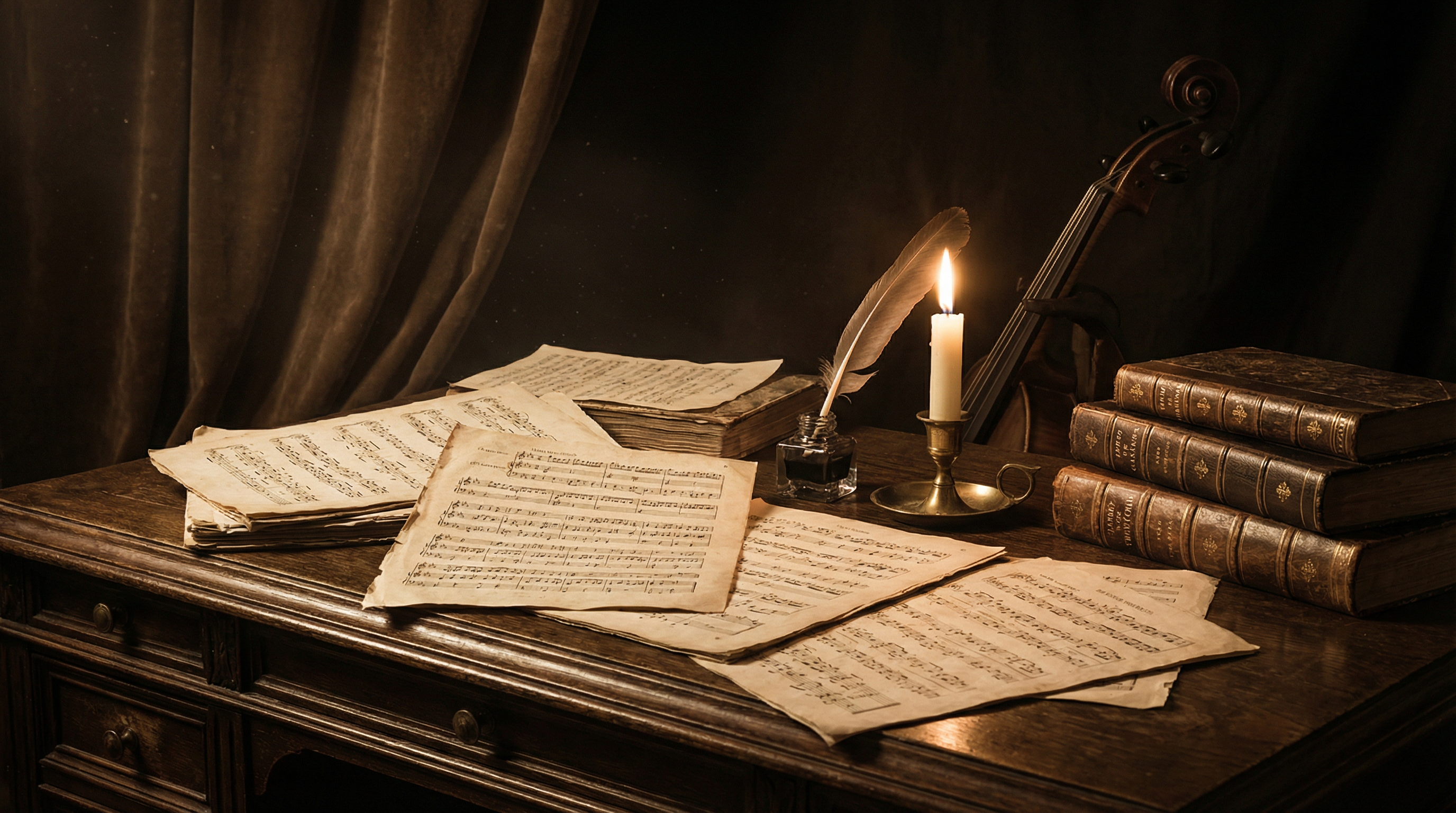

Classical music represents one of humanity's greatest artistic achievements, a tradition that spans over a thousand years and encompasses an extraordinary diversity of styles, forms, and expressions. The history of Western classical music is typically divided into distinct periods, each characterized by particular aesthetic values, compositional techniques, and cultural contexts.
The Medieval Period: The Foundation of Western Music
The Medieval period, spanning roughly from 500 to 1400 CE, laid the foundation for Western classical music. This era saw the development of musical notation, the establishment of the church as the primary patron of music, and the creation of the first great repertoire of written music.
Sacred Music and Gregorian Chant
The dominant musical form of the early Medieval period was Gregorian chant, also known as plainchant. These monophonic melodies, sung in Latin, were used in Catholic liturgy throughout Europe. The ethereal, timeless quality of Gregorian chant continues to captivate listeners today.
The Renaissance: The Rebirth of Classical Ideals
The Renaissance period, roughly spanning from 1400 to 1600, was characterized by a renewed interest in classical Greek and Roman culture, a flowering of the arts, and significant developments in musical style and technique. Renaissance music is known for its rich polyphonic textures and smooth flowing melodies.
The Baroque Era: Drama, Ornamentation, and the Birth of Opera
The Baroque period, spanning roughly from 1600 to 1750, was an era of drama, ornamentation, and emotional intensity. Baroque music is characterized by its use of contrast and elaborate ornamentation. This period saw the invention of opera and the rise of instrumental music to equal importance with vocal music.
Johann Sebastian Bach and George Frideric Handel
The Baroque era culminated in the works of two towering figures: Johann Sebastian Bach and George Frideric Handel. Bach created an enormous body of work that represents the summit of Baroque contrapuntal technique, while Handel was a master of opera and oratorio.
The Classical Period: Clarity, Balance, and Form
The Classical period, roughly from 1750 to 1820, represented a shift away from the complexity of the Baroque toward clarity, balance, and formal elegance. This period saw the development of sonata form and the Viennese Classical style of Haydn, Mozart, and Beethoven.
The Romantic Era: Emotion, Expression, and Individualism
The Romantic period, spanning roughly from 1820 to 1900, was characterized by an emphasis on emotion, individual expression, and the exploration of new harmonic and formal possibilities. Romantic composers sought to express the full range of human emotion and to push the boundaries of musical language.
Conclusion
The history of classical music is a story of continuous evolution, innovation, and artistic achievement. Each period built upon the accomplishments of the previous era while developing its own distinctive character. Understanding these historical periods enriches our appreciation of classical music and connects us to a living tradition that continues to inspire us today.